
African Safaris - Everything You Need to Know Before You Book
Planning an African safari involves careful consideration of timing, destination, and budget. This guide offers practical advice on securing your ideal luxury wildlife experience.
A luxury safari in Africa offers an unparalleled opportunity for wildlife encounters and cultural immersion. However, navigating the options for when to visit, where to go, and what to expect regarding cost can seem daunting.
Thoughtful planning ensures a smooth and rewarding trip, whether you are seeking a honeymoon retreat or a family adventure.
Quick answer: To book your African safari, consider seasonal wildlife movements, establish a realistic budget, and choose a destination that aligns with your interests and travel style, such as the Serengeti for the Great Migration or Botswana for Okavango Delta water safaris. Engaging with a specialist travel designer can streamline this process significantly.
1. Understand Seasonal Timing and Wildlife Movements
The success of an African safari often hinges on timing. Seasonal weather patterns dictate wildlife behaviour, water sources, and vegetation, which in turn affect animal visibility.
East Africa, encompassing Kenya and Tanzania, experiences a primary dry season from June to October, ideal for witnessing the Great Migration and general game viewing as animals gather around dwindling water sources.
Southern Africa, including Botswana, Zambia, and South Africa, also has a prominent dry season from May to October, which offers excellent conditions for classic safaris.
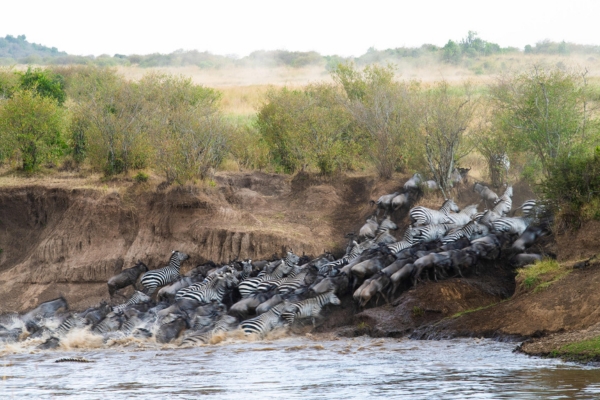
Great Migration Safairs
Witness more than 2 million animals as they go in search of greener grazing pastures on Africas endless viewing plains.
When is the best time for wildlife viewing?
Generally, the dry season, typically from June to October across much of East and Southern Africa, offers the most consistent wildlife viewing.
Sparse vegetation and animals congregating around permanent water sources make sightings more predictable. For specific events like the Great Migration, timing is crucial.
The wildebeest typically calve in the southern Serengeti around January and February, move north through the Serengeti from April to early July, and cross into the Masai Mara between July and October.
During calving season, hunters like lion and other predators look to take advantage of the smaller wildebeest as easy prey. This makes for an exciting spectacle of hunter and prey.
Conversely, the 'green season', from November to April, features lush landscapes, newborn animals, and fewer tourists. While game viewing can be more challenging due to thicker foliage and dispersed animals, it is often a rewarding time for birdwatching and photography, and lodges sometimes offer lower rates.
2. Match Your Interests to the Right Destination
Africa is a continent of diverse ecosystems, each offering a unique safari experience. Identifying your primary interests will guide you towards the most suitable region and country. For instance, if observing the Great Migration is a priority, then Tanzania's Serengeti and Kenya's Masai Mara are the definitive choices.
For a water-based safari focused on the Okavango Delta's intricate waterways, Botswana is an excellent option, particularly between June and October when the delta is in full flood.
Anyone looking for a combination of abundant wildlife and a focus on conservation might consider various private concessions in South Africa's Greater Kruger National Park area, which often provide off-road driving and night drives not permitted in national parks, as these are private concessions.
Which countries offer the best diverse safari experiences?
South Africa provides exceptional variety, from the Kruger National Park's expansive wildlife areas to the Garden Route's coastal beauty and the cultural richness of Cape Town. Tanzania is renowned for its northern circuit, encompassing the Serengeti, Ngorongoro Crater, and Mount Kilimanjaro. Kenya equally delivers classic safari experiences in the Masai Mara, Samburu, and Amboseli. For those seeking exclusive, low-impact tourism and pristine wilderness, Botswana's Okavango Delta and Chobe National Park are outstanding choices.
3. Establish a Realistic Budget for Your Safari
Safari costs can vary significantly based on destination, season, duration, and chosen level of accommodation and activities. A luxury safari, often involving exclusive camps, private guiding, and charter flights, represents a substantial investment. Costs typically range from £700 to over £1,500 per person per night for high-end experiences, particularly in prime areas like the Serengeti or Okavango Delta during peak season.
These figures generally include accommodation, all meals, scheduled game drives, park fees, and sometimes local flights. Activities like hot air balloon safaris or gorilla trekking permits are usually additional. Understanding that remote luxury lodges incur high operational costs accounts for a significant portion of the expense, as they must provide high-quality services, trained staff, and transport supplies to locations far from infrastructure.
How can I estimate the cost of a luxury safari?
When planning, allocate at least $7,000 per person for a one-week luxury safari. This allows for comfortable accommodation, internal flights, and most activities, particularly in countries like South Africa or Kenya.
For more remote or exclusive destinations such as Botswana, or if opting for private concessions and bespoke experiences, expect budgets upwards of $10,000 to $15,000 per person for a similar duration.
Costs can be managed by travelling during shoulder seasons (e.g., May or November) or by considering properties outside of the most celebrated national parks.
4. Define Your Preferred Travel Style and Comfort Level
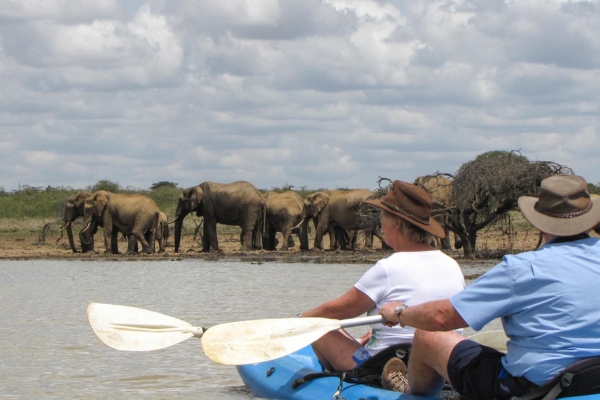
Your travel style dictates the type of safari experience you will enjoy most. Some travellers prefer the intimate, traditional tented camps that evoke a sense of classic exploration, often found in Botswana or Tanzania. Others may seek lodges with more opulent amenities, such as swimming pools, spas, and gourmet dining, which are common in South Africa's private reserves.
Consider whether you prefer a safari focused solely on game drives, or if you wish to incorporate walking safaris, mokoro (dugout canoe) excursions, horseback riding, or cultural visits. The choice between flying between camps and driving longer distances also impacts the overall experience and pace. For families, dedicated children's programmes or private vehicles may be a priority, while honeymooners might favour secluded, romantic settings.
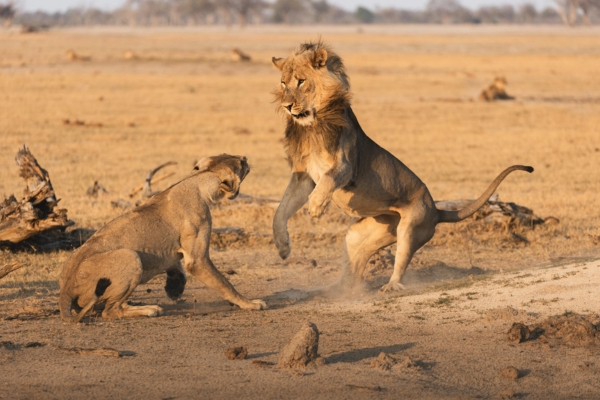
All-Inclusive Big 5 Safaris
Experience the brilliance of a privately guided Big 5 safari in the most wildlife-rich concessions in Africa.
What are the different types of safari accommodation?
Accommodation options span a wide range, from well-appointed tented camps to permanent lodges and exclusive-use villas. Tented camps, a popular choice for their authentic safari atmosphere, can range from comfortable to ultra-luxurious, featuring en-suite bathrooms, king-sized beds, and private verandas. Lodges typically offer more permanent structures with solid walls, often built into the landscape, providing consistent comfort and amenities. Exclusive-use villas or houses are ideal for families or groups, offering privacy, dedicated staff, and bespoke itineraries.
5. Work with a Specialist Safari Designer
Given the complexity of African safaris, from intricate logistics to seasonal variations and diverse offerings, collaborating with a safari specialist is invaluable. A reputable designer possesses in-depth knowledge of various regions, lodges, and local operators. They can offer insights into the best times to visit specific areas, recommend properties suited to your preferences and budget, and handle all the arrangements, from internal flights and transfers to special requests.
A well-connected specialist can also advise on the nuances of different national parks versus private concessions, guide you through visa requirements, and provide essential pre-departure information. Their expertise helps in crafting a seamless itinerary, anticipating potential challenges, and ensuring your trip aligns perfectly with your expectations for a luxury safari experience.
Why should I use a safari specialist instead of booking directly?
A safari specialist offers expertise in a continent where travel can be complex and regional knowledge is paramount. They have established relationships with lodges and ground operators, which can sometimes lead to preferential rates or added value. Crucially, they serve as a single point of contact for all arrangements, offering support throughout the planning phase and during your trip, which provides significant peace of mind. Their advice on combining destinations, selecting appropriate camps, and navigating local travel logistics is often difficult to replicate through direct booking.
Frequently asked questions
How far in advance should I book my African safari?
It is advisable to book a luxury African safari at least 9 to 12 months in advance, especially if you plan to travel during peak season or for specific events like the Great Migration. Popular lodges and permits for activities such as gorilla trekking often sell out quickly. Booking further ahead secures your preferred dates and camps and can sometimes offer better rates.
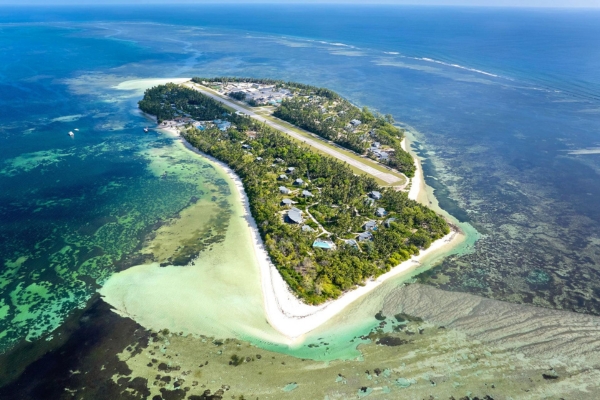
Seychelles Island Escape
The perfect destination to end a luxury safari experience with warm azure waters and white sandy beaches.
Are African safaris suitable for families with young children?
Many game reserves and lodges in South Africa, particularly within private concessions, offer excellent family-friendly safaris. They often have dedicated children's programmes, shorter game drives, and properties with family suites. However, for younger children (under 6), some areas or activities may have restrictions for safety reasons, so it is important to discuss specific age requirements with your specialist.
What is typically included in the cost of a luxury safari?
The cost of a luxury safari generally covers full-board accommodation, daily scheduled game drives with experienced guides, national park and conservation fees, transfers between camps (often by light aircraft), and sometimes laundry services. International flights, premium drinks, spa treatments, and discretionary tips for guides and staff are usually not included unless specified.
What type of clothing should I pack for a safari?
Pack comfortable, lightweight clothing in neutral colours like khaki, olive, and brown to blend with the environment and avoid startling wildlife. Layers are essential, as temperatures can vary significantly between early mornings, daytime, and evenings. Include a wide-brimmed hat, sunglasses, sturdy closed-toe shoes, and a light waterproof jacket, regardless of the season.
Is travel insurance necessary for an African safari?
Yes, comprehensive travel insurance is essential for an African safari. It should cover medical emergencies, emergency evacuation (especially important in remote areas), trip cancellation or interruption, lost luggage, and any adventure activities planned. Always verify the coverage details to ensure it meets the specific needs of your safari itinerary.