
What Are The Best Africa Honeymoon Destinations?
The best Africa honeymoon destinations are South Africa, Kenya, Tanzania, Botswana and Seychelles. In this guide, we reveal the top 10.
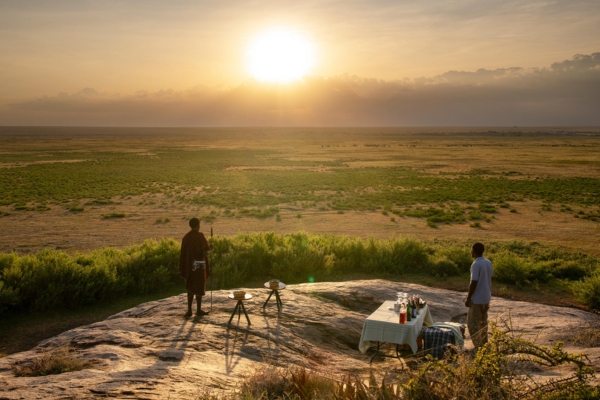
A honeymoon should be a memorable occasion, a time to celebrate in beautiful surroundings. Africa provides a canvas for such celebrations, offering everything from wildlife encounters in expansive savannahs to tranquil moments on secluded Indian Ocean islands, with warm azure waters, white sandy beaches and local hospitality.
The diversity across the continent means there is a suitable setting for nearly any preference.
Quick answer: The best Africa honeymoon destinations combine distinctive experiences like wildlife safaris in Tanzania or Botswana with coastal relaxation in places such as Seychelles or Mozambique, offering varied settings from desert landscapes to private island retreats for discerning couples.
1. Tanzania
Tanzania consistently ranks highly for honeymoons due to its combination of exceptional wildlife viewing and accessible Indian Ocean beaches. The Serengeti National Park is central to the Great Migration, providing dramatic safari opportunities. Beyond the plains, areas such as Ruaha and Nyerere (formerly Selous) offer more secluded safari experiences.
When is the best time for a Tanzanian honeymoon?
For safari in the Serengeti, Ngorongoro Crater, and Tarangire, the dry season from June to October is generally preferred for wildlife viewing. The Great Migration is dynamic, but can be observed across different parts of the Serengeti between November and August. For Zanzibar and the coast, the dry periods between June and March are ideal for beach activities.
After safari, the islands of Zanzibar, Pemba, and the exclusive Mnemba Island offer serene coastal environments. Here, couples can enjoy white sand beaches and clear waters, suitable for relaxation and water activities.
2. Namibia
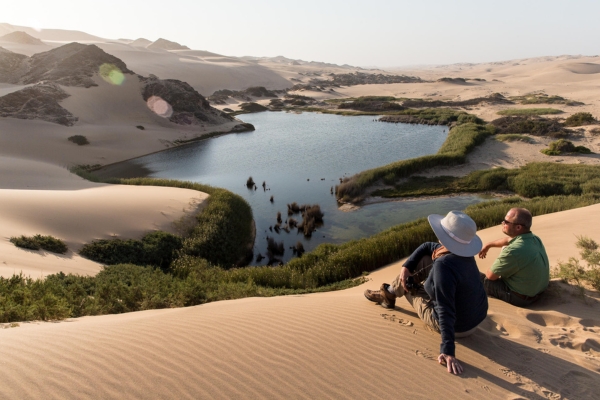
Namibia provides a distinctive honeymoon choice with its vast, dramatic landscapes. The country is renowned for its towering red dunes, particularly in Sossusvlei, creating an otherworldly backdrop. This environment lends itself to privacy and a sense of remoteness.
Seychelles Island Escape
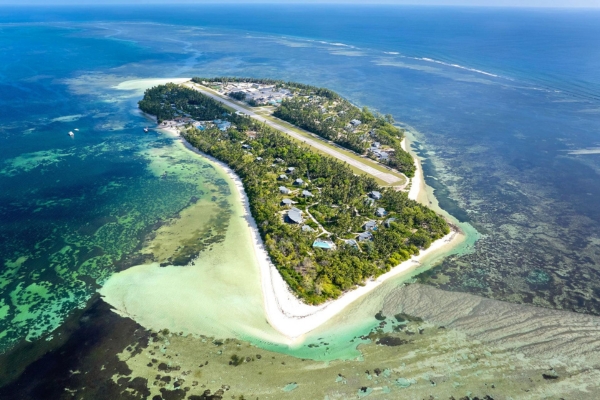
The perfect destination to end a luxury safari experience with warm azure waters and white sandy beaches.
What activities are available in Namibia?
Activities often include climbing Dune 45 for sunrise views, exploring the petrified forest at Deadvlei, and scenic flights over the desert and Skeleton Coast. Wildlife viewing is also possible in Etosha National Park, where animals gather around waterholes, particularly in the dry season. The focus here is more on landscape and solitude than on dense wildlife encounters.
Lodges in Namibia are often designed to blend into the environment, offering spacious, minimalist interiors with expansive views. Such settings are well-suited to couples seeking a tranquil and visually impressive experience.
3. Seychelles
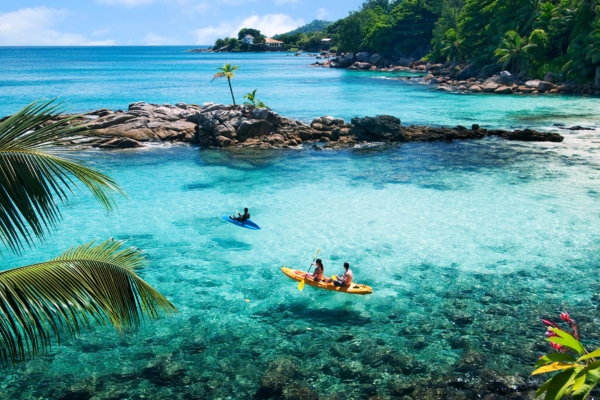
The Seychelles archipelago epitomises luxury island escapes. Comprising 115 granite and coral islands in the Indian Ocean, it offers pristine beaches, clear turquoise waters, and lush tropical vegetation. It is a destination focused on relaxation and marine activities.
Honeymooners typically choose islands like Mahé, Praslin, or La Digue, each with its own character. Mahé is the largest, offering more amenities and diverse landscapes. Praslin is known for its Vallée de Mai, a UNESCO World Heritage site and home to the coco de mer palm. La Digue is smaller and often explored by bicycle, famous for Anse Source d'Argent beach.
What kind of accommodation should we expect?
Accommodation ranges from high-end resorts with private villas to smaller, intimate boutique hotels. Many properties feature direct beach access, private pools, and bespoke services aimed at couples. Dining often highlights local seafood with Creole influences.
4. Botswana
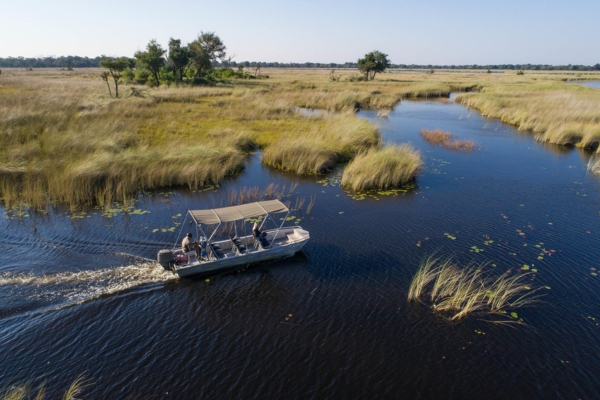
Botswana is ideal for couples seeking an exclusive and high-quality safari experience. The Okavango Delta, a vast inland delta, is its ecological heart, offering diverse habitats and a wealth of wildlife. Water-based safaris in mokoro canoes distinguish it from other safari destinations.
Mobile safaris and small, intimate camps ensure a low visitor density, enhancing the sense of wilderness. The Linyanti and Savute areas are known for large elephant herds and predator populations. Chobe National Park is also a significant wildlife destination, particularly famous for its elephants.
How does Botswana compare to other safari destinations?
Botswana generally offers a more exclusive and expensive safari experience compared to, for example, Kenya or Tanzania. It focuses on low-impact, high-value tourism, meaning fewer visitors and a greater emphasis on conservation and private concessions. This approach often results in a more personal and less crowded safari. Its dry season from May to October is generally considered the prime time for wildlife viewing as animals congregate around water sources.
5. Mozambique
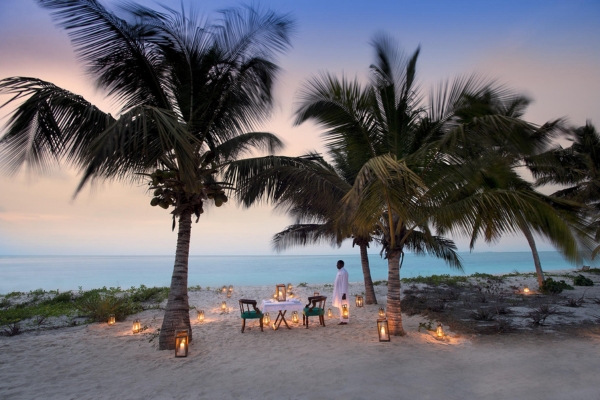
Mozambique offers a compelling alternative for beach-focused honeymoons with its undeveloped coastline and remote islands. It provides a more rustic and authentic Indian Ocean experience than some of its more developed neighbours.
The Bazaruto Archipelago and Quirimbas Archipelago are prime locations. These islands typically feature fewer large resorts and more small, eco-friendly lodges. Activities include snorkelling, scuba diving among coral reefs, dhow sailing, and horse riding along pristine beaches.
Is Mozambique good for combining with a safari?
Yes, Mozambique pairs well with safaris in Southern Africa, particularly South Africa or Zimbabwe, due to relatively good flight connections. This combination allows for a contrast between a land-based wildlife experience and a barefoot luxury beach retreat. The lodges on the islands often offer fresh seafood and a focus on relaxation, with fewer planned activities.
6. South Africa
South Africa offers a diverse honeymoon experience, merging safari, city exploration, and coastal scenery. The country's infrastructure is well-developed, making it a good choice for those who prefer varied activities.
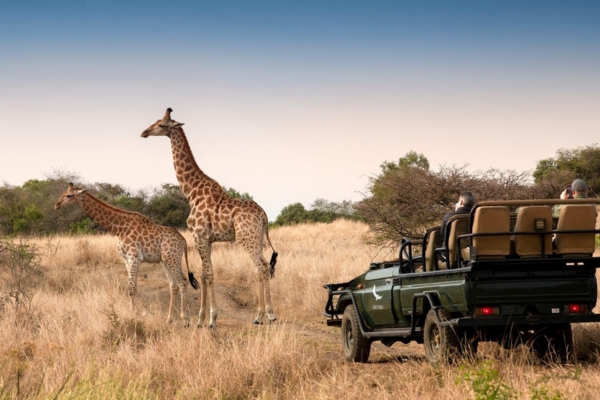
Safari options are primarily found in the Greater Kruger area, including private game reserves known for luxurious lodges and exceptional wildlife viewing, particularly for the 'Big Five'. Complementing this, Cape Town provides cultural experiences, fine dining, and access to the Winelands and scenic coastal drives. The Garden Route offers further opportunities for exploring smaller towns and natural beauty.
All-Inclusive Big 5 Safaris
Experience the brilliance of a privately guided Big 5 safari in the most wildlife-rich concessions in Africa.
What distinct experiences can South Africa offer?
Beyond safari and city life, couples might consider whale watching from Hermanus between June and November, exploring the Drakensberg Mountains, or visiting the historic Robben Island. The variety allows for a dynamic itinerary that can be tailored to many different interests, from adventure to urban exploration and relaxation.
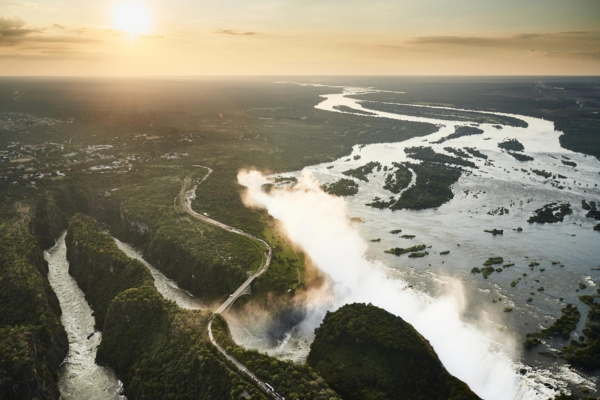
7. Zimbabwe
Zimbabwe offers dramatic natural beauty and strong safari potential. Known for Victoria Falls, which borders Zambia, it provides adventurous activities alongside traditional wildlife viewing. Mana Pools National Park is particularly noted for walking safaris, allowing a different perspective on the wildlife.
Hwange National Park is the country's largest reserve, supporting significant elephant populations and a good range of other species. Safari camps in Zimbabwe are generally smaller and more owner-operated, contributing to an intimate atmosphere.
What should we consider when planning for Victoria Falls?
Victoria Falls is a highlight, offering activities such as helicopter rides over the falls, bungee jumping, and whitewater rafting on the Zambezi River. The 'smoke that thunders' is most impressive during and just after the rainy season, from February to May, when water levels are high. Combining the falls with a safari provides a balanced itinerary of adventure and wildlife.
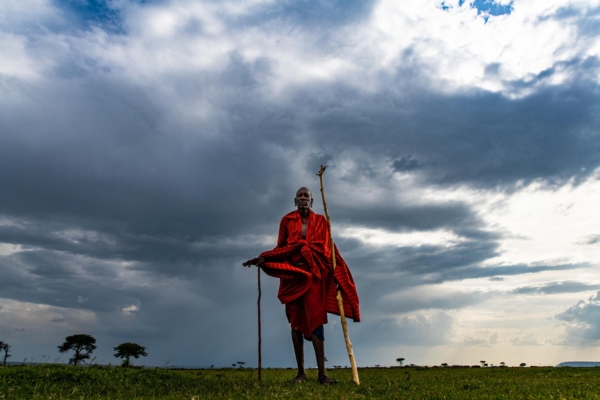
8. Kenya
Kenya is a classic safari destination, often chosen for its extensive savannahs and the annual Great Migration in the Masai Mara. It provides an iconic African experience, particularly for first-time safari-goers.
The Masai Mara National Reserve is the most famous park, alongside Amboseli with its views of Mount Kilimanjaro and Lake Nakuru, known for its flamingos. Beyond safari, Kenya also offers coastal retreats around Watamu and Diani Beach, allowing for a bush and beach combination.
What types of safari experiences does Kenya offer?
Kenya provides various safari options, from traditional game drives to hot air balloon safaris over the Mara. Many conservancies adjacent to the main reserves allow for activities like walking safaris and night drives. The camps and lodges often provide a sense of traditional safari luxury, with attentive service and comfortable accommodation.
9. Mauritius
Mauritius, an island nation in the Indian Ocean, is renowned for its volcanic landscape, lagoons, coral reefs, and sandy beaches. It is a well-established honeymoon destination, offering a blend of relaxation and activities.
The island caters to those seeking resort-based holidays with a wide range of water sports, golf courses, and spa facilities. Beyond the resorts, explore the Black River Gorges National Park, the Seven Coloured Earths of Chamarel, and various botanical gardens.
How does Mauritius compare to Seychelles for a honeymoon?
Mauritius generally offers a more active and resort-oriented experience than the Seychelles, which tends to be more about secluded luxury. Mauritius has a broader range of water sports, golf, and cultural sites, and can be a good option for couples who enjoy a mix of relaxation and organised activities. It's also often a more budget-friendly option for an Indian Ocean island break.
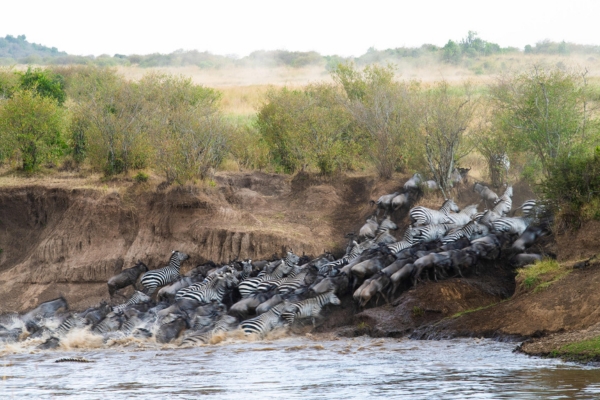
Great Migration Safairs
Witness more than 2 million animals as they go in search of greener grazing pastures on Africas endless viewing plains.
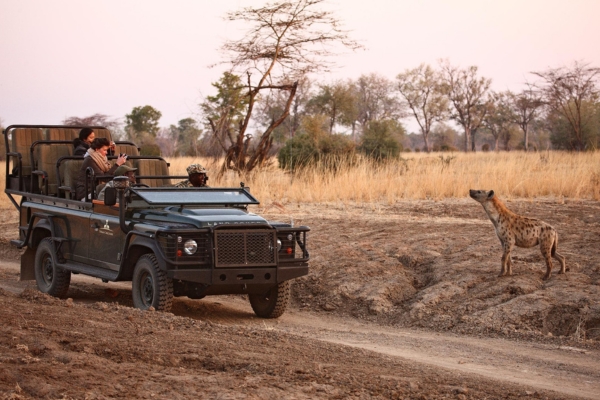
10. South Luangwa National Park, Zambia
Zambia's South Luangwa National Park is a premier walking safari destination. The experience here focuses on exploring the bush on foot with expert guides, offering an intimate perspective on smaller details of the ecosystem as well as larger mammals.
The Luangwa River is the park's lifeblood, attracting large concentrations of wildlife, particularly during the dry season from May to October. Hippos and crocodiles are abundant, and the park is known for its leopard sightings.
Why choose South Luangwa for a honeymoon?
Couples choosing South Luangwa are often seeking an active and immersive safari experience rather than a more passive one. The walking safaris provide a closer connection to nature, and the camps are typically smaller, offering individualised service. It pairs well with a visit to Victoria Falls for a balanced experience of adventure and wildlife.
Frequently asked questions
How long should an African honeymoon last?
Typically, an African honeymoon lasts between 10 to 14 days to allow for both safari and relaxation. A safari component often takes five to seven days, followed by an equal period on a beach or in another distinct region, ensuring a comprehensive and unhurried experience.
Is an African honeymoon suitable for all budgets?
African honeymoons can vary significantly in cost. While many luxury options exist, certain destinations like South Africa or parts of Kenya and Tanzania can accommodate mid-range budgets, especially during shoulder seasons. Remote, exclusive camps in places like Botswana generally represent a higher price point.
Can we combine a safari with a beach holiday?
Yes, combining a safari with a beach holiday is a popular choice for African honeymoons. Destinations like Tanzania and Kenya offer easy access to the Indian Ocean coast and islands, while South Africa can be combined with Mozambique or Mauritius. This allows for both adventure and relaxation.
What should we pack for an African honeymoon?
Packing generally includes comfortable, neutral-coloured clothing for safari drives and walks, a wide-brimmed hat, sunglasses, sun cream, and insect repellent. For beach destinations, swimwear and light casual attire are suitable. Always check specific lodge recommendations and weather forecasts closer to your departure.
Do we need vaccinations for an African honeymoon?
Yes, several vaccinations are often recommended or required for travel to Africa, including yellow fever, tetanus, diphtheria, polio, hepatitis A and B, and typhoid. Malaria prophylaxis is also usually advised for safari regions. It is essential to consult a travel health clinic several months before your trip for personalised advice.