
What are the Safest African Countries to Visit?
When planning an African adventure, safety is a key consideration. This guide details countries known for their stability, low crime rates, and established tourism infrastructure, offering peace of mind to travellers.
When considering an African safari or beach escape, understanding the relative safety of different regions is often foremost in travellers' minds. While the continent is vast and diverse, many countries offer secure environments for memorable holidays.
Quick answer: Several African countries consistently rank highly for safety due to stable governance, low crime rates, and well-developed tourist provisions. Notable examples include Botswana, Mauritius, Namibia, and Zambia, each offering distinct attractions from wildlife safaris to serene coastal retreats.
Understanding Safety in African Travel
Traveller safety in Africa often depends on specific regions and the nature of the travel undertaken. It is important to distinguish between broad perceptions and the reality on the ground in established tourist areas. Most safari destinations, for instance, operate within controlled environments, often with their own security teams and close communication with local authorities.
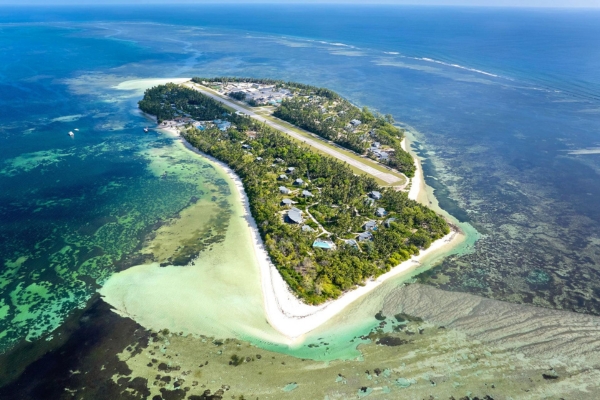
Seychelles Island Escape
The perfect destination to end a luxury safari experience with warm azure waters and white sandy beaches.
How are safety rankings determined?
Indices from organisations such as the World Population Review often consider factors like internal conflicts, crime rates, political stability, and the effectiveness of law enforcement. For travellers, the relevance of these factors can vary; for example, a country might have a high overall crime rate, but tourist zones are typically well-patrolled and largely unaffected.
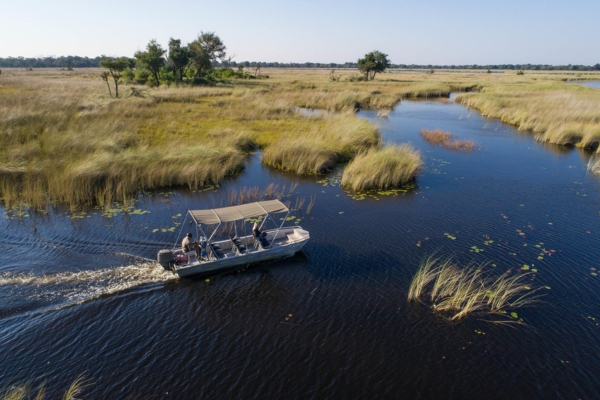
Botswana: A Premier Safari Destination
Botswana consistently features among Africa's safest countries, known for its political stability and a low crime rate, particularly within its main tourism circuits. The country's approach to high-value, low-impact tourism means that lodges and camps are often remote, with a focus on conservation and discreet security.
The Okavango Delta, a UNESCO World Heritage site, and Chobe National Park are primary attractions. Travellers can experience mokoro excursions, game drives, and walking safaris. Accommodation often involves exclusive tented camps or luxury lodges, providing a self-contained and secure environment.
When is the best time to visit Botswana for safety and wildlife?
The dry season, from May to October, is generally considered optimal for both wildlife viewing and travel logistics. Roads are more accessible, and animals congregate around water sources. It is also a period with fewer extreme weather events, contributing to a smoother travel experience. While generally safe year-round, these months offer the most comfortable conditions.
Mauritius: An Indian Ocean Sanctuary
Mauritius, an island nation in the Indian Ocean, is frequently cited as one of Africa's safest countries. It boasts a stable political climate and a low incidence of crime, particularly in tourist areas. Its economy is largely supported by tourism, meaning significant investment is made in maintaining a secure and welcoming environment for visitors.
The island offers white sand beaches, coral reefs, and volcanic landscapes. Popular activities include exploring the Black River Gorges National Park, visiting Chamarel's Seven Coloured Earths, and water sports. The presence of well-regarded resorts further enhances the feeling of security, with guests often remaining within resort grounds or on organised excursions.
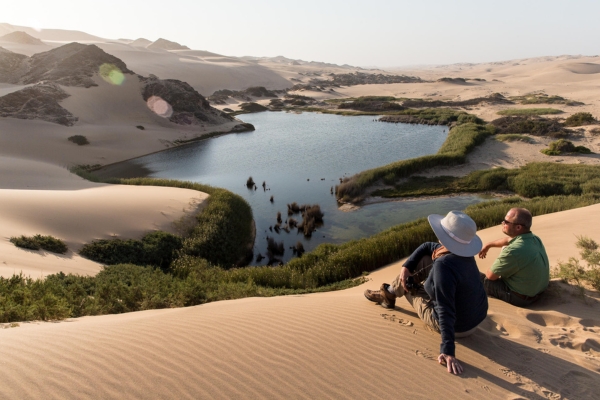
Namibia: Land of Vast Horizons
Namibia stands out for its vast, sparsely populated landscapes and a generally tranquil social environment. The country benefits from a stable government and a relatively low crime rate, making it a comfortable destination for independent travellers and guided tours alike. Its low population density means that encounters with general urban issues are minimised, especially in the remote areas where much of the tourism takes place.
Key highlights include the towering dunes of Sossusvlei, the wildlife-rich Etosha National Park, and the stark beauty of the Skeleton Coast. Road travel is common, and while distances can be long, the main routes are well-maintained, particularly those leading to national parks and tourist centres. Self-driving is popular, though often requires a 4x4 vehicle due to some gravel roads.
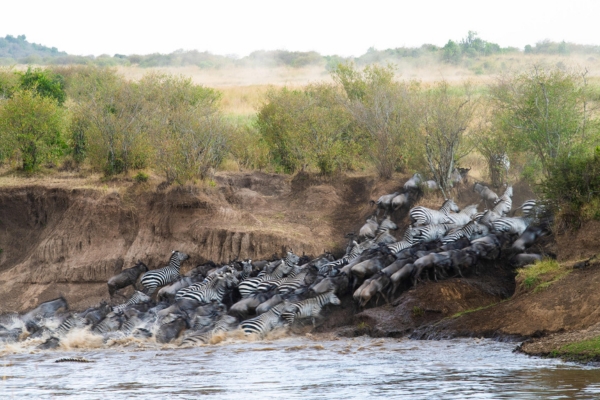
Great Migration Safairs
Witness more than 2 million animals as they go in search of greener grazing pastures on Africas endless viewing plains.
Is self-driving in Namibia safe?
Yes, self-driving is generally considered safe in Namibia, but it requires careful planning. The roads outside major towns can be remote, and mobile phone signal can be intermittent. It is advisable to rent a reliable 4x4, carry extra water and fuel, and inform lodges of your travel plans. Driving during daylight hours is recommended to avoid nocturnal animals and unlit roads.
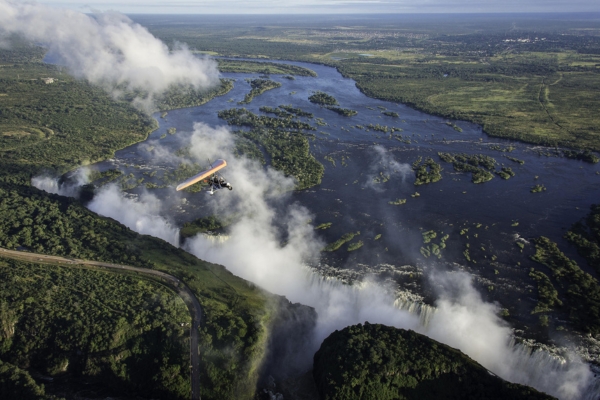
Zambia: The Home of Walking Safaris
Zambia offers a robust tourism infrastructure, particularly around its major draws like Victoria Falls and South Luangwa National Park. The country maintains a stable political environment and experiences low levels of crime in areas frequented by tourists. The warmth of the Zambian people, often referred to as 'the warm heart of Africa,' contributes to a welcoming atmosphere for international visitors.
Beyond Victoria Falls, which it shares with Zimbabwe, Zambia is celebrated for its walking safaris in South Luangwa and canoeing on the Zambezi River. These activities take place within national park boundaries, where professional guides and park rangers ensure visitor safety from both wildlife and other potential concerns.
Malawi: The Warm Heart of Africa
Malawi lives up to its nickname, offering a genuinely friendly and peaceful experience for travellers. This landlocked country has a commendable record for political stability and low crime rates, especially in its tourist zones such as Lake Malawi and the national parks. Its relatively compact size, approximately 118,760 square kilometres, also makes it manageable to explore.
The main attraction is Lake Malawi, Africa's third-largest lake, which provides opportunities for freshwater diving, snorkelling, and relaxing on its shores. Liwonde National Park offers wildlife viewing, particularly for elephants and hippos. The tourism sector is well-established, focusing on community engagement and sustainable practices, which further contribute to a secure environment.
Frequently asked questions
What security measures are in place at safari lodges?
Safari lodges and camps, especially in remote areas, typically employ their own security personnel. Many are fenced or designed to deter wildlife, and guests are always accompanied by guides during walks or drives outside camp. Strict protocols are in place for emergencies, and communication systems are maintained with local authorities where necessary.
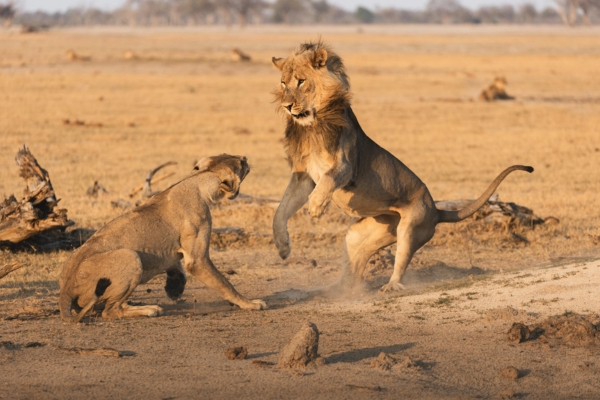
All-Inclusive Big 5 Safaris
Experience the brilliance of a privately guided Big 5 safari in the most wildlife-rich concessions in Africa.
Is it safe to travel to African cities?
While safari and coastal areas often have distinct safety profiles, major African cities, like any large urban centre globally, require general precautions. It is advisable to be aware of your surroundings, avoid displaying valuables, and use reputable transport services. Your safari operator can provide specific advice for transfers through or stays in cities like Johannesburg or Nairobi.
Do I need specific vaccinations for travel to these countries?
Yes, several African countries require or recommend specific vaccinations, and yellow fever certification is sometimes mandatory, especially if arriving from a country with risk of transmission. Malaria prophylaxis is usually recommended for safari destinations. It is essential to consult a travel health professional well in advance of your trip for personalised advice based on your itinerary and medical history.
How can I stay updated on travel advisories?
Government travel advisories from your home country (e.g., the UK Foreign, Commonwealth & Development Office) are regularly updated and provide detailed information on safety and security. It is prudent to check these advisories before and periodically during your trip planning. Reputable tour operators also stay informed on current conditions and can offer guidance.