
Where to go on safari in South Africa?
South Africa is still the most popular destination for a Big Five wildlife safari, with excellent private game reserves and concessions to choose from. In this article we showcase the best.
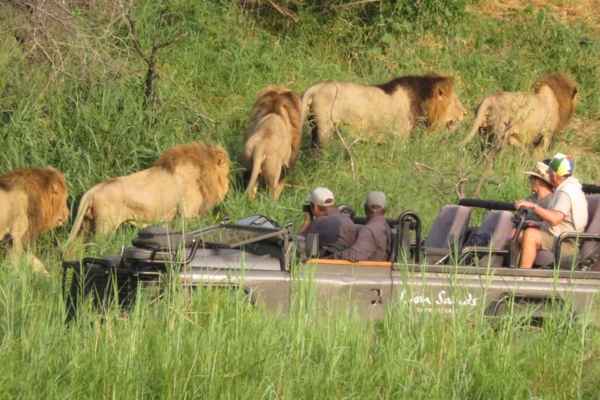
South Africa sits at the southern tip of the continent, bordered by two oceans and home to more than 19 national parks, including the world famous Kruger National Park, and the private reserves and luxury lodges.
The country covers roughly 1.2 million square kilometres, making it about twice the size of Texas, and supports one of the most accessible safari infrastructures on the continent.
For first-timers and seasoned travellers alike, it offers reliable Big 5 sightings, excellent lodges across all budget tiers, malaria-free options, and the ability to combine wildlife with wine, coastline and cities within a single itinerary.
The Kruger National Park, spanning 19,485 square kilometres along the Mozambique border, anchors most safari itineraries. According to South African National Parks (SANParks), the Kruger is home to approximately 1,500 lions, 12,000 elephants, 27,000 buffalo, 1,000 leopards and a critically endangered population of around 350 white rhinos.
Private reserves along its western boundary, such as Sabi Sands, Timbavati and Thornybush, share unfenced borders with the national park and offer off-road driving, guided walks and night drives that government-run areas do not permit.
What is the most popular South Africa safari?
Quick answer: A South Africa safari typically centres on the Kruger or its adjoining private reserves, where year-round Big 5 viewing is paired with luxury lodges, short flight times from Johannesburg, and easy combinations with Cape Town, the Garden Route, or Mozambique's islands. Expect reliable leopard sightings, diverse accommodation from tented camps to exclusive-use villas, and costs ranging from roughly $500 per person per night in comfort lodges to over $1,800 in top-tier properties during peak season (July to October).
Why choose South Africa for safari
South Africa's safari appeal rests on three pillars: density of wildlife, quality of infrastructure, and flexibility of routing. The country records more than 10 million international arrivals each year (Statistics South Africa, 2023), with safari travel accounting for a significant share.
The Kruger alone receives over 1.8 million visitors annually. Unlike destinations where you may wait days for a single leopard encounter, the private reserves bordering the Kruger report leopard sightings on approximately 90 per cent of game drives, according to lodge records compiled over the past decade.
The country's tourism board, South African Tourism, notes that South Africa offers 10 UNESCO World Heritage Sites, 20 official national parks, and a wine industry that ranks among the world's top ten producers.
This breadth allows travellers to pair three nights in the bush with vineyard tours in Stellenbosch, penguin colonies at Boulders Beach, or whale watching in Hermanus between August and November. Flight times from Johannesburg to the Kruger's private airstrips average 60 to 75 minutes.
Road transfers from Cape Town to the Winelands take 45 minutes. Internal logistics are straightforward, english is widely spoken, and the rand's exchange rate (trading at approximately 18 to 19 ZAR per US dollar in early 2025) stretches budgets further than in East Africa.
Is South Africa suitable for first-time safari-goers?
Yes. The combination of reliable game viewing, well-trained guides, comfortable lodges, and established medical facilities makes it an ideal entry point.
Most lodges employ two-person teams per vehicle (a guide and a tracker), and radio networks between vehicles improve sighting efficiency without crowding.
Guides hold Field Guides Association of Southern Africa (FGASA) qualifications, a certification that requires at least 1,000 training hours. The country's private healthcare system ranks among the best in Africa, with hospitals in Johannesburg, Cape Town and Nelspruit equipped to international standards.
When to visit: seasons and game viewing windows
South Africa spans several climatic zones.
The Kruger sits in a summer-rainfall region, with wet months running from November through April and dry months from May to October. Cape Town, by contrast, receives most of its rain between May and September, making it a winter-rainfall zone.
These opposing patterns allow travellers to optimise different parts of the country at different times of year.
The dry season (May to October) in the Kruger brings cooler temperatures, sparse vegetation, and animals concentrated around permanent water sources.
July, August and September are considered peak months. Daytime temperatures average 20 to 25°C, but early morning drives can drop to near freezing in June and July, so layered clothing is essential. Lodges report their highest occupancy rates during this window, and rates rise accordingly.
All-Inclusive Big 5 Safaris
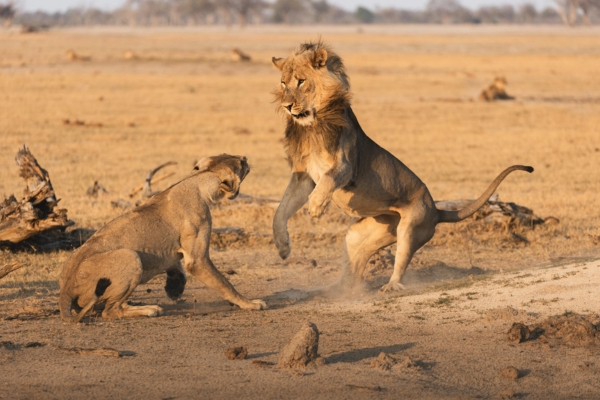
Experience the brilliance of a privately guided Big 5 safari in the most wildlife-rich concessions in Africa.
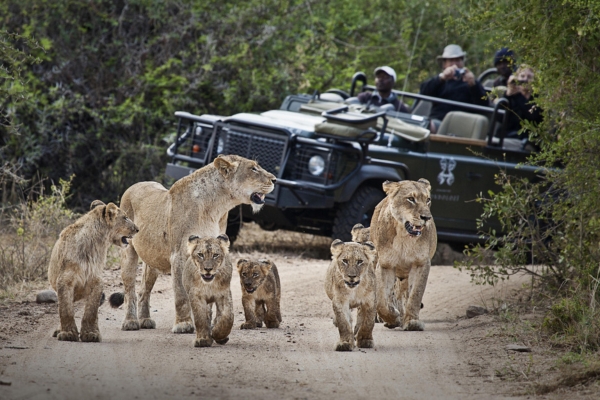
The wet season (November to April) sees afternoon thunderstorms, temperatures above 30°C, and lush greenery. This is calving season for antelope species, which in turn attracts predators.
Birdwatchers favour this period: more than 500 bird species inhabit the Kruger, and migratory species from Europe and North Africa arrive in November. Malaria risk, while low year-round, is slightly higher during these months, so prophylaxis is advisable.
What is the best month for leopard sightings?
June through September. Reduced foliage and cooler temperatures encourage leopards to rest in visible spots during the day, rather than retreating into thick bush. Private reserves in Sabi Sands, where habituated leopard populations have been studied for decades, report multiple sightings per drive during these months.
Kruger National Park and the private reserves
The Kruger is South Africa's flagship reserve and one of Africa's oldest, gazetted in 1898. It stretches 360 kilometres north to south and up to 65 kilometres east to west, making it larger than Israel.
The park operates a public road network of around 1,900 kilometres, with rest camps offering self-catering accommodation, restaurants and fuel. For travellers seeking a more exclusive experience, the Kruger's nine private concessions and the adjoining private reserves offer a different model.
Private reserves such as Sabi Sands (65,000 hectares), Timbavati (53,000 hectares) and Thornybush (14,000 hectares) share unfenced boundaries with the Kruger, allowing animals to move freely.
The key difference lies in the rules: private reserves permit off-road driving, which means guides can follow predators through the bush rather than losing them at the tree line.
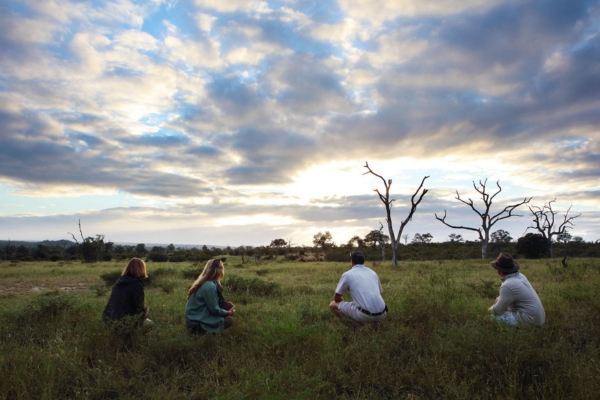
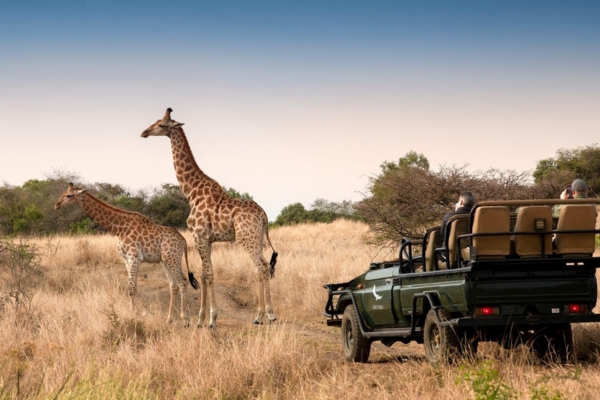
They also allow night drives, when nocturnal species such as leopard, civet, genet and African wildcat are most active. Walking safaris, led by armed guides holding specialist qualifications, add another sensory layer.
The Sabi Sands is particularly renowned for leopard density. A 2019 study published in the African Journal of Ecology estimated the reserve supports one leopard per 2.5 square kilometres, among the highest densities recorded anywhere in Africa.
These animals have been habituated to vehicles over decades, allowing for close, calm encounters. Elephant herds, buffalo breeding herds, and resident lion prides are similarly well documented.
Lodges range from classic tented camps to contemporary glass-and-steel suites, with nightly rates spanning roughly $600 to over $2,000 per person during peak season, fully inclusive of meals, drinks and twice-daily game drives.
How many days should you spend in the Kruger?
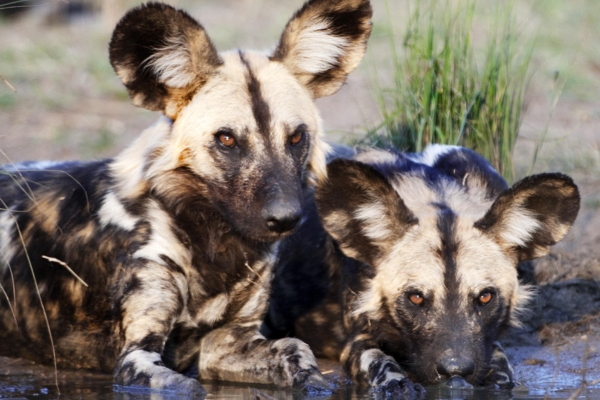
Three to four nights is the minimum to settle into the rhythm of the bush and maximise your chance of varied sightings. Five nights allows for greater spontaneity, rest days by the pool, and the possibility of rarer encounters such as wild dogs, cheetah or pangolin. Shorter stays risk being compressed by travel logistics and weather windows.
Malaria-free safari options
For families with young children or travellers who prefer to avoid antimalarial medication, South Africa offers several malaria-free reserves. The most established is Madikwe Game Reserve, a 75,000-hectare reserve in the North West Province near the Botswana border.
Madikwe was restocked in the 1990s under Operation Phoenix, one of the largest game translocations in history, which moved more than 8,000 animals into the area.
Today it supports healthy populations of lion, elephant, rhino (both black and white), buffalo, cheetah, wild dog, and around 350 bird species.
Pilanesberg National Park, 57,000 hectares adjacent to the Sun City resort, is another malaria-free option. It lies in an extinct volcanic crater and offers Big 5 viewing within a two-hour drive of Johannesburg.
Further south, the Eastern Cape reserves, including Addo Elephant National Park, Shamwari and Kwandwe, are all classified as low to no malaria risk. Addo, in particular, is home to over 600 elephants, the densest population in Africa.
These reserves cannot match the Kruger's sheer wildlife density, but they provide a safe, comfortable introduction to safari for families. Many lodges offer dedicated children's programmes, family suites, and flexible meal times.
What is the cost difference between malaria-free and Kruger lodges?
Broadly similar. Rates depend more on lodge category and season than on malaria status. Expect $500 to $700 per person per night in mid-range malaria-free lodges such as those in Madikwe, and $1,000 to $1,800 in high-end properties. Kruger private reserves in the same tier fall within a comparable range.
Cape Town and the Winelands
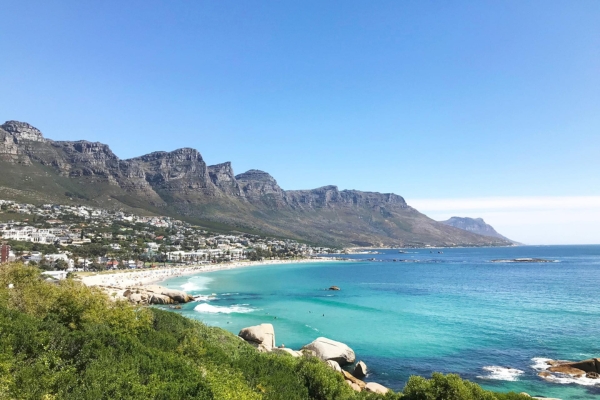
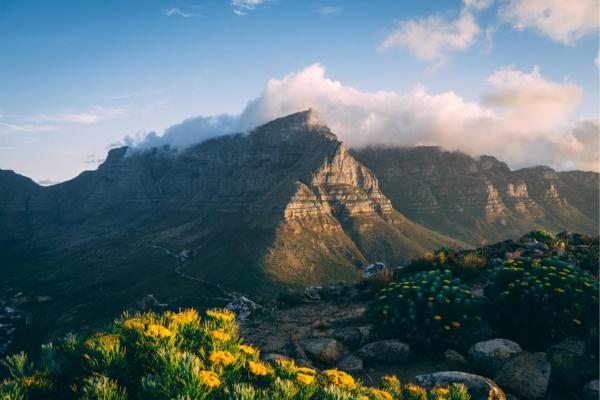
Cape Town anchors the western end of most South Africa itineraries. The city sits beneath Table Mountain, a flat-topped massif that rises 1,085 metres above sea level and forms part of the Table Mountain National Park.
The park, which includes the Cape of Good Hope, hosts more than 2,200 plant species, many endemic to the Cape Floral Kingdom, the smallest and richest of the world's six floral kingdoms.
The V&A Waterfront, a working harbour redeveloped into a retail and dining precinct, draws around 24 million visitors annually.
Nearby Robben Island, where Nelson Mandela was imprisoned for 18 of his 27 years in custody, is a UNESCO World Heritage Site accessible by ferry. Boulders Beach, home to a colony of around 3,000 African penguins (a species classified as endangered), lies 45 minutes south in Simon's Town.
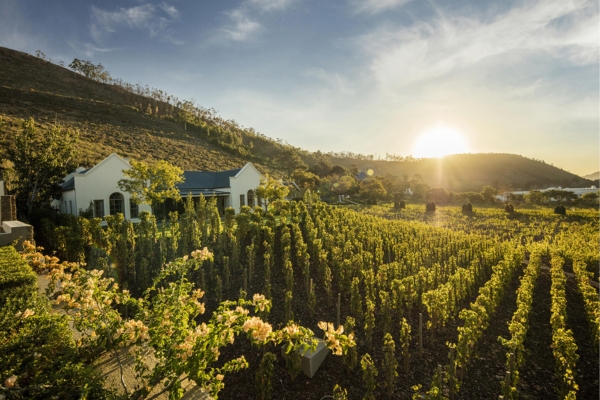
The Cape Winelands, centred on Stellenbosch, Franschhoek and Paarl, produce around 300,000 tonnes of wine grapes each year, roughly four per cent of global production.
The region is known for Chenin Blanc, Pinotage, and Bordeaux-style blends. Wine estate tours, cellar tastings, and chef-led lunches can be arranged through most Cape Town hotels.
The drive from Cape Town to Stellenbosch takes 45 minutes; to Franschhoek, just under an hour.
Hermanus, 120 kilometres southeast of Cape Town, is considered one of the best shore-based whale-watching destinations in the world. Southern right whales migrate to the shallow bays between June and December to calve, with peak numbers in September and October.
The town's Whale Crier, a position established in the 1990s, alerts visitors to sightings via kelp horn.
How long should you allocate to Cape Town?
Three to four nights covers the key highlights: Table Mountain, the Winelands, a Cape Peninsula day tour, and time in the Waterfront or Camps Bay. Five nights allows for a side trip to Hermanus or a slower pace through the city's museums, markets and coastal hikes.
Great Migration Safairs
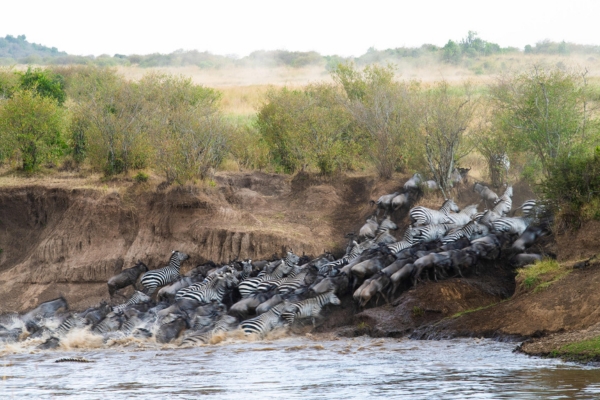
Witness more than 2 million animals as they go in search of greener grazing pastures on Africas endless viewing plains.
Costs and budgeting
Safari costs in South Africa vary by lodge category, season, and inclusions. The following are rough per-person-per-night estimates in US dollars, fully inclusive (accommodation, meals, local drinks, twice-daily game drives), based on 2024 and early 2025 rates:
- Comfort lodges (four-star standard): $500 to $600 low season; $550 to $700 high season
- Luxury lodges (high four-star to entry five-star): $600 to $900 low season; $700 to $1,200 high season
- Top-tier lodges (five-star, often exclusive-use options): $1,100 to $1,500 low season; $1,400 to $2,000+ high season
Flights between Johannesburg and the Kruger's private airstrips cost around $300 to $500 per person return. Road transfers from Johannesburg to the Kruger (approximately 430 kilometres, a five-hour drive) are an alternative for those on tighter budgets, though they consume a full day each way. Internal flights between Cape Town and Johannesburg run hourly and cost $150 to $300 return, depending on booking lead time.
Park entry fees for the Kruger, if staying in the national park itself rather than a private reserve, are approximately ZAR 460 per adult per day (around $25 USD). Accommodation in government-run rest camps ranges from basic bungalows at around ZAR 1,200 ($65 USD) per night to larger family units at ZAR 3,500 ($190 USD).
Are meals and drinks included in lodge rates?
Yes, at private reserves. Rates cover three meals daily, snacks, house wines, local spirits, beers, soft drinks, and twice-daily game drives with a qualified guide and tracker. Premium wines, champagnes, spa treatments, and private vehicle hire typically carry additional charges. Government-run camps in the Kruger operate on a self-catering or restaurant basis, with meals and drinks billed separately.
Combining South Africa with neighbouring destinations
South Africa's position at the southern end of the continent makes it a natural gateway to several other safari and beach destinations.
Mozambique's Bazaruto and Quirimbas archipelagos offer powder-white beaches, coral reefs, and dhow sailing, reachable via short flights from Johannesburg or the Kruger.
Bazaruto, a protected marine reserve, is around 90 minutes by air from Johannesburg. The Quirimbas, further north near the Tanzanian border, require a longer connection but remain uncrowded outside South African school holidays.
Victoria Falls, straddling Zimbabwe and Zambia, lies roughly 90 minutes by air from Johannesburg. The falls produce the world's largest sheet of falling water, with peak flow between March and May. Activities include helicopter flights, white-water rafting on the Zambezi below the falls, and game drives in the adjacent Zambezi National Park.
Botswana's Okavango Delta, Chobe River, and Kalahari reserves are accessible via road or short flights. The Chobe riverfront, 150 kilometres from Victoria Falls, supports one of the highest concentrations of elephant in Africa, with herds exceeding 120,000 animals across the greater Chobe ecosystem according to a 2022 aerial survey by Elephants Without Borders. Combining the Kruger, Victoria Falls, and Chobe creates a classic southern Africa circuit, typically spanning 10 to 14 nights.
Practical considerations: health, visas, and packing
British, EU, US, Canadian, Australian, and New Zealand passport holders do not require a visa for tourist visits under 90 days. South African immigration issues a free entry stamp on arrival. Passport validity of at least 30 days beyond your departure date is required, along with at least two blank pages.
Malaria prophylaxis is recommended for travel to the Kruger and surrounding Lowveld between November and April.
The risk is classified as low by the World Health Organisation, but preventive medication (typically atovaquone-proguanil, doxycycline, or mefloquine) is sensible. Insect repellent, long sleeves, and trousers after sunset reduce exposure. Madikwe, Pilanesberg, Addo, and all Eastern Cape reserves are malaria-free year-round.
No vaccinations are mandatory unless you are arriving from a yellow fever-endemic country (primarily Central and West Africa, parts of South America), in which case proof of yellow fever vaccination is required. Routine vaccinations (tetanus, hepatitis A) are advisable but not enforced at the border.
Pack neutral-coloured clothing (khaki, olive, brown, beige) for game drives. Bright colours, particularly white, can startle animals and attract insects.
Mornings and evenings in the Kruger between June and August are cold: bring a fleece or down jacket, beanie, and gloves. Daytime temperatures are warm, so layers work best. A wide-brimmed hat, sunglasses, sunscreen (SPF 30 minimum), and binoculars (8x32 or 10x42 magnification) are standard kit. Most lodges provide insect repellent, but bring your own preferred brand.
Cape Town's weather is Mediterranean: wet and cool in winter (June to August), warm and dry in summer (December to February). Bring a waterproof jacket for winter visits and swimwear for summer. The southeastern wind, known locally as the Cape Doctor, can gust above 60 kilometres per hour, so secure hats and light items.
What should you not pack for safari?
Avoid camouflage clothing (illegal in some African countries and inappropriate in South Africa), excessive jewellery, and hard-sided luggage (small aircraft and game drive vehicles have limited space). Most lodges offer laundry service, so pack light and re-wear items.
Who South Africa safari suits best
South Africa's safari infrastructure accommodates a broad range of travellers. Families with children under six can choose malaria-free reserves with dedicated kids' clubs, trained babysitters, and child-friendly meal schedules. Lodges such as those in Madikwe and Pilanesberg often include interactive junior ranger programmes, teaching tracking, bird identification, and bush skills.
Seychelles Island Escape
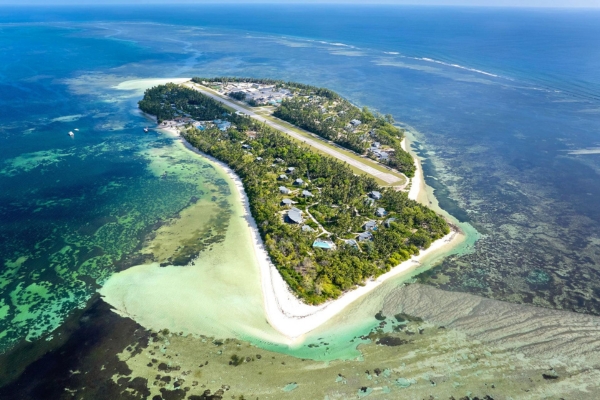
The perfect destination to end a luxury safari experience with warm azure waters and white sandy beaches.
Honeymooners favour the private reserves around the Kruger, where suites with private plunge pools, outdoor showers, and in-room dining are common. Some lodges offer exclusive-use villas with personal chefs, guides, and vehicles, allowing complete flexibility over schedules. Couples can combine safari with wine estates in Stellenbosch or beachfront villas along the Garden Route.
Solo travellers benefit from South Africa's English-speaking environment, reliable transport networks, and a growing number of lodges waiving single supplements during low season. Group safari options, particularly in Kruger's rest camps, provide opportunities to meet other travellers. Safety in cities requires normal urban caution (avoid walking alone after dark, use registered taxis or rideshare apps), but the safari lodges themselves are secure and closely monitored.
Adventure-focused travellers can add shark cage diving in Gansbaai (30 minutes from Hermanus), paragliding from Signal Hill in Cape Town, hiking multi-day trails in the Drakensberg, or sandboarding in the dunes of Atlantis. South Africa's tourism infrastructure supports these add-ons more seamlessly than most African countries.
Frequently asked questions
Can you self-drive in Kruger National Park?
Yes. The Kruger's public road network is tarred and gravel, accessible in a standard sedan, though a higher-clearance vehicle improves comfort on rougher routes. Speed limits are 50 kilometres per hour on tar, 40 on gravel. Camps open and close with daylight hours; late arrivals incur fines. Self-driving allows flexibility and lower costs but lacks the expertise of a trained guide and the off-road access of private reserves. Radio contact between self-drivers is limited, so sightings are more hit-and-miss.
Is South Africa safer than other African safari destinations?
Within safari lodges and national parks, yes. Wildlife protocols are well established, guides are highly trained, and medical evacuation networks are in place. Urban crime in Johannesburg and Cape Town requires awareness: avoid walking alone after dark, use hotel safes, and arrange transport through reputable providers. Statistics South Africa's 2023 crime report shows tourist-targeted crime is concentrated in city centres and townships, not in rural safari areas or coastal resort towns. Most travellers encounter no safety issues.
Do you need a 4x4 vehicle for safari in South Africa?
Not in the Kruger's public sections or along the Garden Route. Tarred roads and major gravel routes are maintained for standard vehicles. Private reserves provide game drive vehicles with raised seating, open sides, and experienced drivers, so guests never drive themselves in those areas. A 4x4 is only necessary if you plan remote self-drive routes in the Northern Cape or Kalahari.
What is the difference between the Kruger and Sabi Sands?
Sabi Sands is a private reserve bordering the Kruger's southwestern edge. Animals move freely between the two, but Sabi Sands permits off-road driving, night drives, walking safaris, and limits the number of vehicles at sightings. The Kruger, as a national park, restricts vehicles to designated roads, prohibits night drives (except on organised night drives from rest camps), and can feel crowded at popular sightings during peak season. Sabi Sands lodges are significantly more expensive but deliver more intimate, flexible game viewing.
Can you see the Big 5 in Cape Town?
Not within the city. Table Mountain National Park has baboons, dassies (rock hyrax), and small antelope, but no Big 5. The closest Big 5 reserves to Cape Town are Aquila (two hours inland) and Inverdoorn (two and a half hours), both privately stocked and smaller in scale than the Kruger. Serious Big 5 viewing requires flying to the Kruger, Eastern Cape reserves, or Madikwe.