
What Are The Best African Safari Destinations For Couples in 2027
The best African safari destinations are Kenya, South Africa, Botswana and Tanzania, but there are wildcards you should keep in mind too.
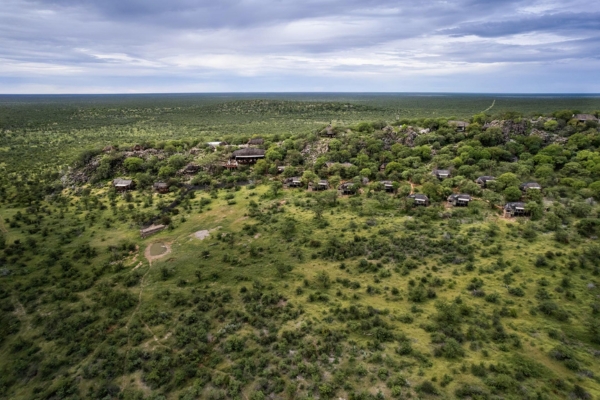
Africa is such a wonderful destination with so many options, properties and activities to consider, that is can feel overwhelming when trying to decide where to go.
In this article, we'll take a look at the leading destinations for couples, and include remote, romantic, adventurous destinations, always with a touch of luxury.
What do the best African safari destinations for couples include?
Quick answer: The best African safaris for couples combine exceptional wildlife, intimate lodges and varied landscapes. East Africa offers the Serengeti, Masai Mara, Ngorongoro Crater and Uganda's gorilla forests. Southern Africa delivers the Okavango Delta, Hwange, South Luangwa and private reserves bordering Kruger. Choose your region based on season, species priorities and whether you prefer open plains or riverine bush.
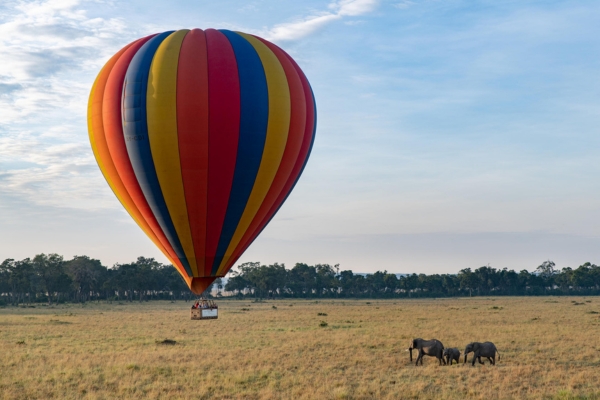
Serengeti and Masai Mara: following the herds
The Serengeti-Mara ecosystem straddles northern Tanzania and southern Kenya.
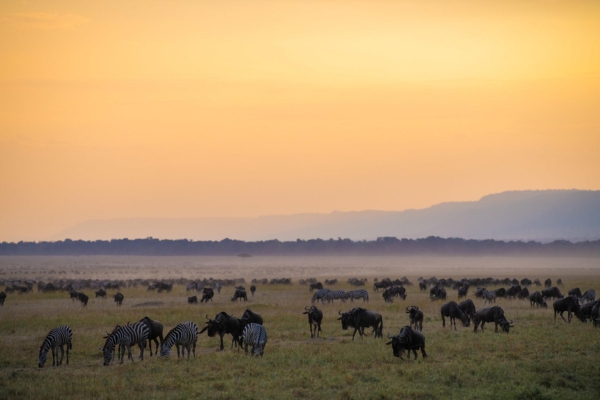
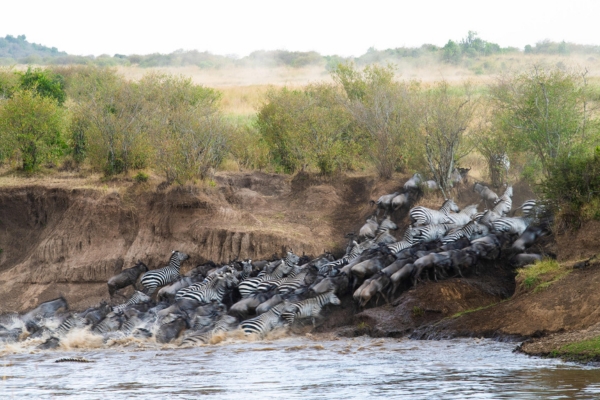
Between them, these parks protect 25,000 square kilometres of grassland through which roughly 1.5 million wildebeest, 200,000 zebra and 350,000 Thomson's gazelle migrate each year.
The movement is continuous but predictable: herds calve in the southern Serengeti from late January through March, then track the rains north, crossing the Mara River between July and October before looping back south by November.
Couples benefit from tented camps that relocate seasonally to stay close to the herds. You wake to wildebeest grunting outside your tent, take breakfast on the plains, spend mornings watching river crossings.
The camps themselves are small, typically 8 to 12 tents, with canvas walls, private verandas and bush showers. Guides work in pairs, so you often have a vehicle to yourselves.
When is the best time to visit?
The Great Migration moves year-round, so timing depends on what you want to see. For calving season and predator action, visit the southern Serengeti from late January to March.
For dramatic river crossings, aim for the Mara River between July and October. November and December offer fewer crowds as herds begin their return journey south.
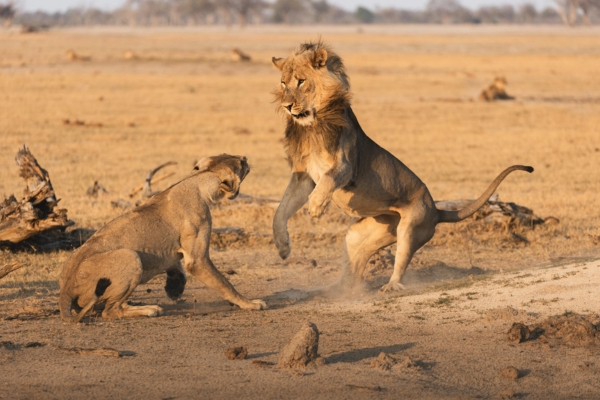
All-Inclusive Big 5 Safaris
Experience the brilliance of a privately guided Big 5 safari in the most wildlife-rich concessions in Africa.
Ngorongoro Crater: a caldera with year-round game
The Ngorongoro Crater is a 260-square-kilometre volcanic caldera in northern Tanzania, home to roughly 25,000 large mammals. Because animals stay within the crater year-round, game viewing is consistently strong regardless of season. You see lion, elephant, buffalo, hippo and endangered black rhino within a single morning drive.
Lodges perch on the crater rim, 600 metres above the floor. Rooms have floor-to-ceiling windows facing the caldera. Mornings begin with a descent into the crater at first light, returning to the lodge by lunch. Afternoons are quieter: spa treatments, guided walks through highland forest, coffee on your private deck. The altitude keeps temperatures moderate, even in the dry season.
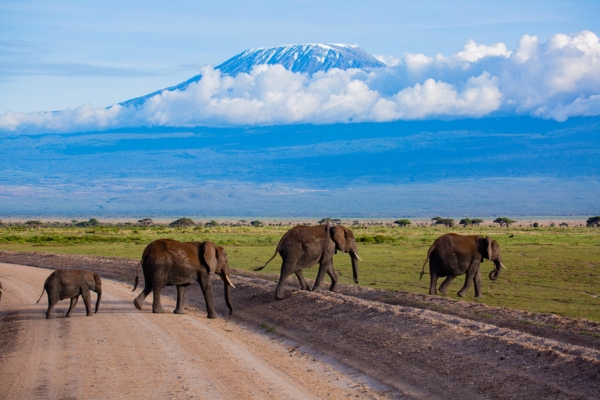
Tarangire National Park: elephants and baobabs
Tarangire, also in northern Tanzania, is less visited than the Serengeti but holds the country's highest elephant density outside of Ruaha.
The Tarangire River draws herds during the dry months from June to October, when you might see 300 elephants at a single waterhole. Ancient baobabs punctuate the landscape, some more than a thousand years old.
The park suits couples who prefer walking safaris and night drives over all-day game drives. Smaller camps offer guided walks with an armed ranger, tracking antelope and giraffe on foot. After dark, spotlights pick out nocturnal species rarely seen during the day: porcupine, aardvark, civet, the occasional leopard.
How long should you stay in Tarangire?
Two to three nights is sufficient. The park is compact, and most visitors combine it with the Serengeti and Ngorongoro as part of a northern Tanzania circuit. Longer stays make sense if you want to dedicate time to walking safaris or photography from hides.
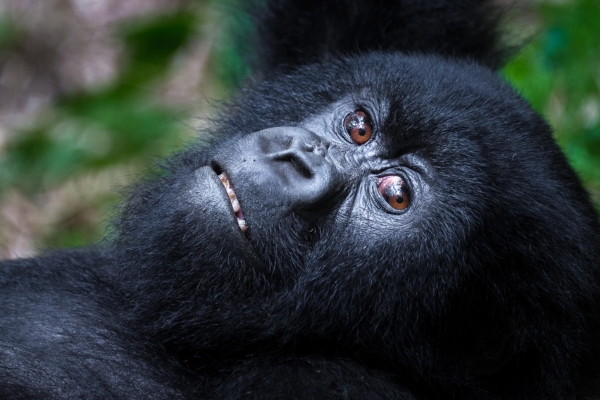
Uganda's Bwindi and Mgahinga: mountain gorillas and forest
Uganda protects roughly half of the world's remaining mountain gorillas, split between Bwindi Impenetrable Forest and Mgahinga Gorilla National Park. Both lie in the country's southwestern corner, along the border with Rwanda and the Democratic Republic of Congo.
A gorilla trekking permit costs USD 800 per person (as of 2025), valid for one hour with a habituated gorilla family.
Treks last anywhere from two to six hours depending on where the gorillas slept the night before.
The terrain is steep, the altitude between 1,500 and 2,600 metres, the forest thick with bamboo and vines. Once you locate the group, you spend an hour watching silverbacks feed, juveniles play, mothers nurse infants. It is slow, quiet, and intensely absorbing.
Lodges near the park gates are small and owner-run, with log fires, home-cooked meals and knowledgeable staff who brief you each evening.
Is gorilla trekking suitable for all fitness levels?
No. The terrain is uneven, often muddy, and can involve scrambling over roots and steep inclines. Basic fitness is required, and porters are available to carry daypacks or provide a steadying hand. If you have concerns about mobility, inform your lodge in advance so they can request a gorilla family closer to the trailhead.
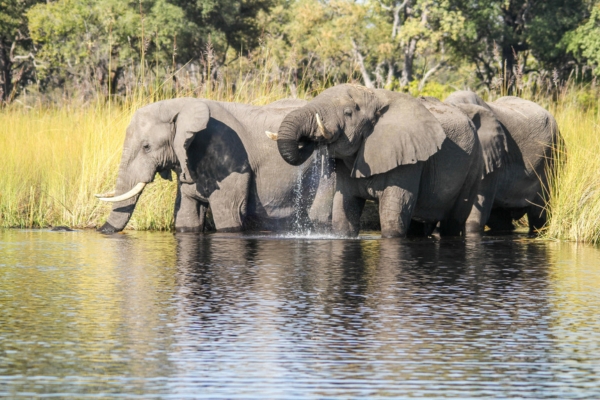
Okavango Delta: water, islands and mokoro
The Okavango Delta floods annually between May and September, transforming 15,000 square kilometres of Botswana's Kalahari basin into a network of channels, lagoons and palm-fringed islands.
Water levels peak in June and July, when mokoro (traditional dugout canoes) become the primary means of transport. Guides pole you silently through papyrus channels, stopping to watch elephant wade belly-deep or lechwe leap through shallows.
Lodges are typically accessible only by light aircraft, which keeps numbers low and exclusivity high. Many operate on a full-board basis, with all activities, drinks and park fees included.
Typical days combine morning game drives, afternoon mokoro excursions and guided walks on the larger islands. Birdlife is exceptional, particularly during the European winter months when migrants arrive.
Camps cater well to honeymooners, offering private dinners on raised decks and rooms with outdoor showers overlooking floodplains.
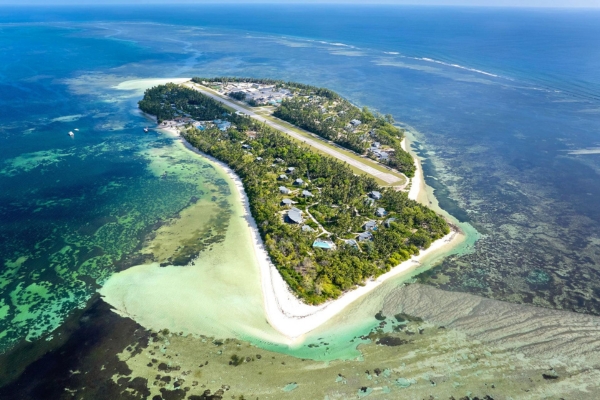
Seychelles Island Escape
The perfect destination to end a luxury safari experience with warm azure waters and white sandy beaches.
Hwange National Park: Zimbabwe's elephant stronghold
Hwange, in northwestern Zimbabwe, covers 14,650 square kilometres and supports one of Africa's largest elephant populations, estimated at around 45,000 individuals.
The park's artificial waterholes, pumped year-round, concentrate game during the dry season from May to October. You sit on lodge decks watching elephant, buffalo, sable and roan antelope drink at floodlit pans after dark.
Zimbabwe's guiding standards are among the continent's highest, and Hwange guides tend to be particularly strong on ecology and behaviour rather than simply ticking off species.
Walking safaris are permitted in certain concessions, offering a more intimate perspective. Lodges range from classic tented camps to small stone-and-thatch properties with plunge pools and wine cellars.
What does a safari in Hwange cost?
Mid-range lodges in Hwange start around USD 400 per person per night, full board, including game drives and local beverages. Higher-end properties with private concessions, walking safaris and spa facilities range from USD 600 to USD 1,200 per person per night. These rates typically include park fees, all meals, activities and most drinks.
South Luangwa: leopards and walking safaris
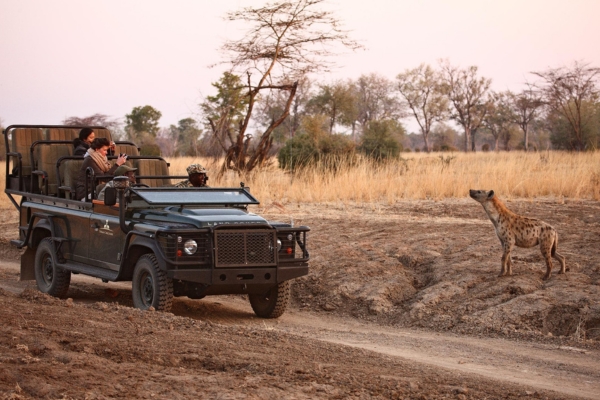
South Luangwa National Park in eastern Zambia is widely considered one of Africa's finest walking safari destinations.
The park pioneered the activity in the 1950s, and most lodges offer multi-day walking trails in addition to standard game drives.
You camp in simple fly camps, cooking over open fires, tracking elephant and buffalo on foot with an armed guide and a second tracker reading spoor.
Leopard sightings in South Luangwa are frequent, particularly around the Luangwa River. The park's relatively open woodland makes spotting easier than in denser bush, and guides use spotlights on night drives to locate leopards hunting after dark.
The dry season from June to October offers the best game viewing, with October being especially hot but productive as animals concentrate around remaining water sources.
Sabi Sands and private reserves adjoining Kruger
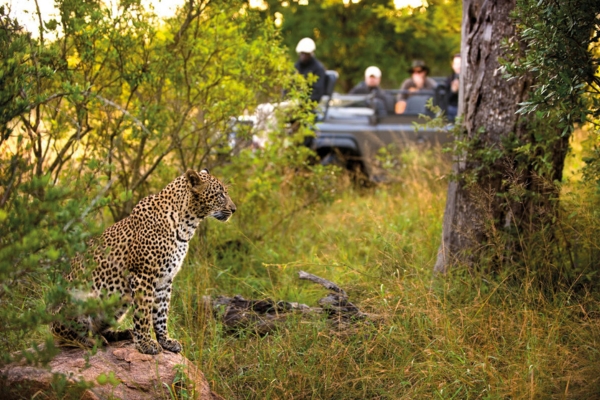
The Sabi Sands Game Reserve and other private concessions share an unfenced border with South Africa's Kruger National Park, allowing animals to move freely between the two.
These private reserves offer advantages over Kruger itself: no vehicle limits at sightings, night drives, off-road driving and highly trained guides.
Lodges are intimate, typically 8 to 20 suites, with design-forward interiors, private plunge pools and twice-daily game drives in open Land Cruisers.
Sabi Sands is particularly known for leopard habituated to vehicles, which allows for extended sightings at close range. You might spend 40 minutes watching a leopard stalk impala, or sit beside a termite mound as a mother leopard nurses her cubs.
The proximity to Johannesburg also makes logistics simpler: most lodges are a 90-minute flight or five-hour drive from the city.
Are private reserves worth the premium over Kruger?
Yes, if proximity to wildlife and exclusivity matter to you. Private reserves permit off-road driving, which means guides can follow a leopard into thick bush or position the vehicle for better photographic angles.
Sightings are more intimate because only two or three vehicles share a reserve zone, compared to potentially a dozen in Kruger. The trade-off is cost: private reserves typically start around USD 500 per person per night, while Kruger accommodation ranges from USD 50 to USD 300.
Great Migration Safairs
Witness more than 2 million animals as they go in search of greener grazing pastures on Africas endless viewing plains.
Frequently asked questions
Which African safari is most romantic for a honeymoon?
The Okavango Delta in Botswana and the Sabi Sands reserves in South Africa consistently rank highest for honeymooners. Both offer intimate lodges, excellent service and activities designed for two, including private dinners, couples' spa treatments and secluded sunset stops. The Serengeti and Masai Mara also work well if you time your visit to coincide with the Great Migration and choose a small seasonal camp.
What is the best month for couples to safari in East Africa?
January to March is ideal for the southern Serengeti's calving season, with newborn wildebeest and active predators. July to October suits the northern Serengeti and Masai Mara, when river crossings peak. November and early December offer lower rates, fewer tourists and decent game viewing across most of East Africa. Avoid April and May, when long rains make some parks inaccessible.
Do couples need a private vehicle on safari?
Not necessarily, but it enhances the experience. Shared vehicles in group camps work fine for sociable couples and reduce costs. However, private vehicles allow you to linger at sightings without group pressure, adjust schedules and take spontaneous detours. Most mid-range lodges offer private vehicle hire for a supplement, typically USD 100 to USD 200 per day.
Can you combine beach and safari in one trip?
Yes. Zanzibar pairs naturally with northern Tanzania's Serengeti, Ngorongoro and Tarangire circuit. Mozambique's Bazaruto or Quirimbas archipelagos follow well after South Luangwa or the Okavango Delta. The Seychelles works after gorilla trekking in Uganda or Rwanda. Allow at least five nights for the safari component and three to five nights at the coast to justify the logistics.
How much should couples budget for a 10-day African safari?
A mid-range 10-day safari (three camps across two countries, internal flights, most meals and activities included) typically costs USD 6,000 to USD 9,000 per person. Luxury properties with private concessions, exclusive-use options and spa facilities range from USD 10,000 to USD 18,000 per person. Budget an additional USD 1,000 to USD 2,000 for international flights, visas, tips, pre- and post-safari accommodation, and items not covered such as premium alcohol or additional activities like hot-air ballooning.